Dental Practice Management 101: Where Administrative Overhead Hides (And How to Cut It) (June 2026)
Learn where administrative overhead hides in your dental practice and how to cut it. June 2026 guide to reducing costs in staff, insurance, and scheduling.
Max Shore - July 6, 2026
Most dentists know their total overhead as a percentage of collections, but very few can tell you where that percentage actually lives. Is it staff wages eating 30 percent, or is it the 100 hours your front desk spends every month posting insurance payments into your dental practice management software by hand? Could be your supply orders running higher than the 5 to 7 percent benchmark, or maybe it's the no-shows and last-minute cancellations that leave your operatory dark while rent and payroll keep ticking.
Whether you're managing your practice with Open Dental, Dentrix, Eaglesoft, or comparing options on a professional dental software list, the best dental practice management courses and the ultimate guide to dental practice management all say the same thing: you can't cut what you don't measure. The real wins come from identifying the hidden time sinks and cost multipliers buried inside your daily workflow, then replacing them with automation that removes the task entirely instead of just summarizing it on a dashboard.
TLDR:
- High-performing dental practices keep overhead between 55-60% of collections; crossing 68% signals a profitability problem to diagnose this quarter.
- Manual insurance reconciliation consumes 80-100 hours monthly and costs practices up to $150,000 annually in scheduling inefficiencies alone.
- First-pass claim acceptance rates below 90% and net collection rates under 96% reveal revenue leaking through denials and posting errors.
- Automating the most labor-intensive back-office tasks cuts overhead fastest, and EOB posting is the heaviest one to hand off.
- Lassie uses AI to post EOBs directly into your PMS, shifting $100,000-$200,000 in annual admin costs from payroll to software.
What Dental Practice Management Really Means (And Why It Starts With Numbers)
Dental practice management is the financial and day-to-day machinery deciding whether your practice survives the month or quietly bleeds margin. Clinical skill keeps patients coming back. Systems keep the lights on.
The clearest view comes from overhead percentage, the share of collections that walks out as expense before the owner-dentist takes a paycheck. The national median sits near 62 percent, while high-performing practices maintain 55-60% overhead. A few points separates a thriving practice from one that grinds.
Practice management is a numbers problem first, a people problem second.
The 60-70% Rule: How Overhead Percentages Reveal Hidden Problems
Healthy practices land between 58 and 65 percent of gross collections in total overhead, with the band tightening based on size and specialty mix. Cross 68 percent and you have a profitability problem to diagnose this quarter.
The category breakdown matters more than the headline number:
| Category | Healthy Range |
| Staff (wages, benefits, payroll tax) | 25-28% |
| Lab and clinical supplies combined | Under 15% |
| Occupancy (rent, utilities) | 5-7% |
| Marketing | 2-3% |
If any single category drifts above its band, that's where the leak lives. Overhead benchmarks by category beat staring at a bank balance.
Where Your Biggest Overhead Lives: Staff, Supplies, and the Categories You Can Control
Staff sits at the top because it dwarfs everything else. ADA Health Policy Institute data puts payroll at 25 to 30 percent of collections, so one underused front-desk role can swing overhead by two full points.
Supplies and lab come next, and they reward attention quickly. Renegotiating with a vendor or two usually trims a percent without anyone noticing.
The hidden multiplier is scheduling. Inefficient scheduling drives real losses, inflating labor cost per produced hour without ever showing up as a payroll line.
The Insurance Billing Black Hole: Time and Money Lost to Manual Reconciliation
Insurance billing is the overhead category that never gets its own line. It hides inside payroll, inside front-desk hours, inside the "what does Lisa actually do all day" question every owner eventually asks.
Staff at a typical practice spend a large share of their month matching payments by hand: opening EOBs, keying line items into the PMS, confirming deposits, and untangling mismatches. That's often most of a full-time role buried in work no patient sees.
The downstream cost compounds:
- Reimbursement timelines stretch past 30 days while claims wait on someone to chase them
- Posting errors create write-offs nobody catches until quarterly review
- AR backlogs grow faster than staff can work them, aging into uncollectable
File more claims, hire more humans.
Schedule Gaps, No-Shows, and Phantom Availability: The Production Killers Hiding in Your Calendar
Empty chair time is overhead in disguise. Rent, payroll, and utilities keep accruing whether the operatory produces or sits dark, so every gap pushes your overhead percentage up by shrinking the denominator.
The math is unforgiving. A solo practice producing $1,200 per hour loses roughly $300 from a 15-minute hole, and a single no-show wipes out an hour of fixed cost recovery before lunch.
Three patterns quietly drain production:
- Last-minute cancellations staff cannot backfill from a thin waitlist
- Phantom availability, where blocks look open in the PMS but were never marketed or confirmed
- Poor appointment mix, stacking hygiene against itself while doctor columns idle
Supply Costs: The 5-7% Category Where Most Practices Unknowingly Overspend
Most owners treat supply spend as a fixed cost. It isn't. Practices that audit hidden supply costs cut 15 to 25 percent off this line without changing a single clinical protocol.
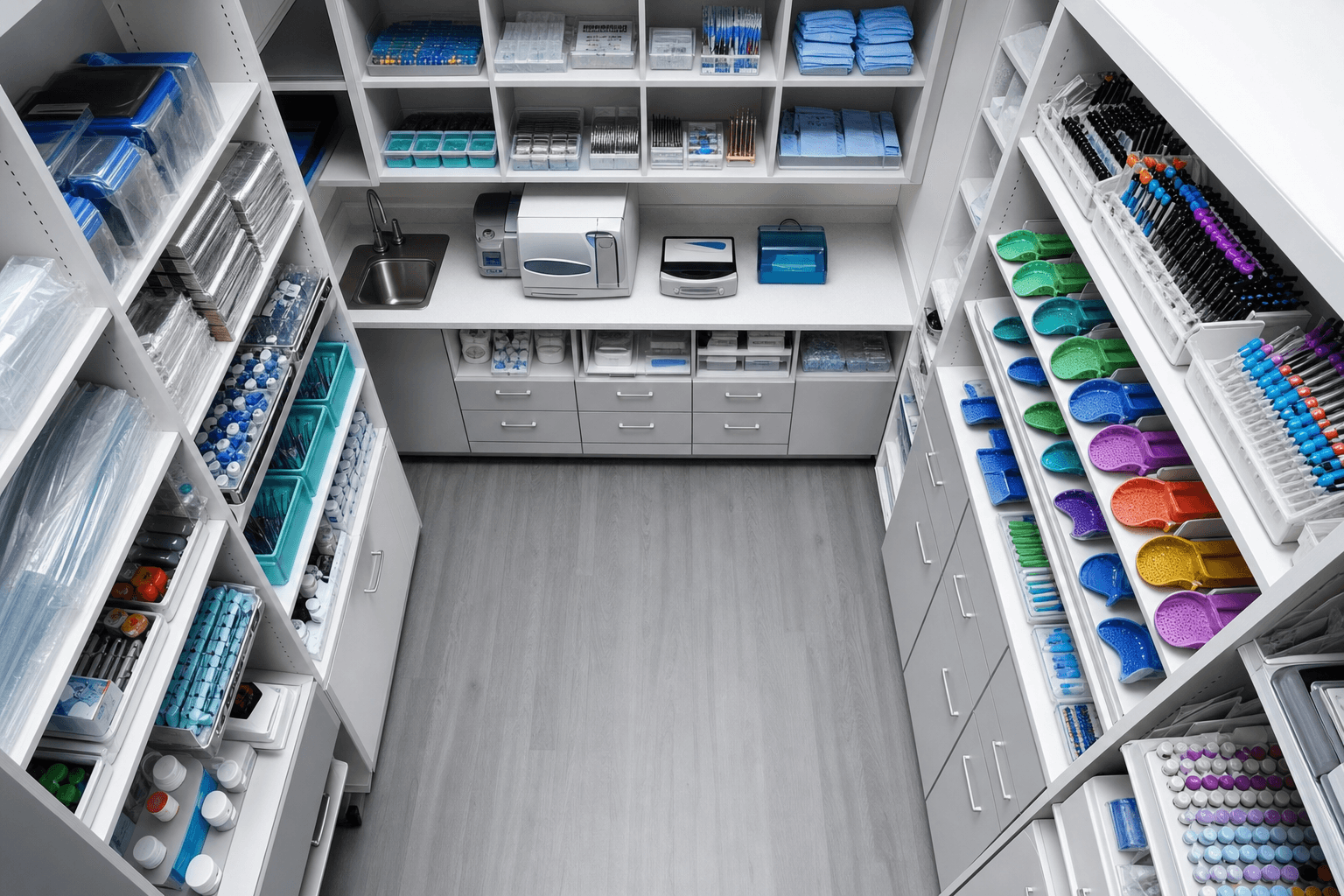
The benchmark says supplies should run 4 to 6 percent of collections. Add expired inventory, rush shipping, off-contract orders, and 8 to 12 hours of weekly staff time managing it all, and the true number lands closer to 7 to 12 percent.
A few patterns drive the gap:
- Multiple assistants ordering from multiple catalogs with no consolidated contract
- Bulk discounts left on the table because nobody tracks usage velocity
- Expired composite and impression material written off quarterly without a flag
Revenue Cycle Breakdowns: Why Clean Claims and Fast Collections Matter More Than Production
Production is a vanity metric until money lands in the account. A practice billing $1.5M can collect $1.2M and still call itself successful, with 20 percent walking out through denials, write-offs, and aging AR.
The leading indicator is first-pass claim acceptance. Healthy practices hold a high acceptance rate, and a large share of claim delays trace to dental revenue cycle errors made before the patient sat down.
Two ratios reveal a broken cycle:
- A net collection rate falling short of benchmark means revenue is leaking past denials
- AR over 90 days above 15 percent means follow-up has stalled
How Practice Management Software Cuts Overhead (When You Use It Right)
Practice management software gets sold as a scheduling tool. Owners buying it for that reason leave most of the value on the floor.
The features that actually move overhead are the ones nobody demos:
- Automated eligibility verification, which kills denials that start before the appointment
- Electronic claim submission with built-in scrubbing, raising first-pass acceptance toward the 95 percent benchmark
- Direct EFT and ERA posting, removing paper checks and manual key-entry from the front desk
- Real-time AR aging reports that surface stalled claims before they cross 90 days
Software cuts overhead when it replaces a task. Dashboards that summarize work without doing it just add a tab.
The Automation Decision: What To Automate First To See Immediate ROI
Not every task deserves automation on day one. Start where the hours are heaviest and the work follows fixed steps every time, like matching EOB line items to claims, checking eligibility fields, or sending appointment confirmations.
Three targets pay back fastest:
- Insurance verification, which removes denials traced to eligibility errors before they happen. This sits outside Lassie's scope and is typically handled by a dedicated verification tool such as Toothy.
- Appointment reminders and confirmations, which reclaim chair time by cutting no-shows without front-desk hours. This is a general scheduling-software capability, not something Lassie handles.
- Payment posting and EOB reconciliation, the largest manual time sink in the back office and the task Lassie removes directly.
Pick the one bleeding the most labor today. Measure hours returned in 60 days. Then move to the next.
How AI-Driven Insurance Automation Is Changing the Overhead Equation for Forward-Thinking Practices
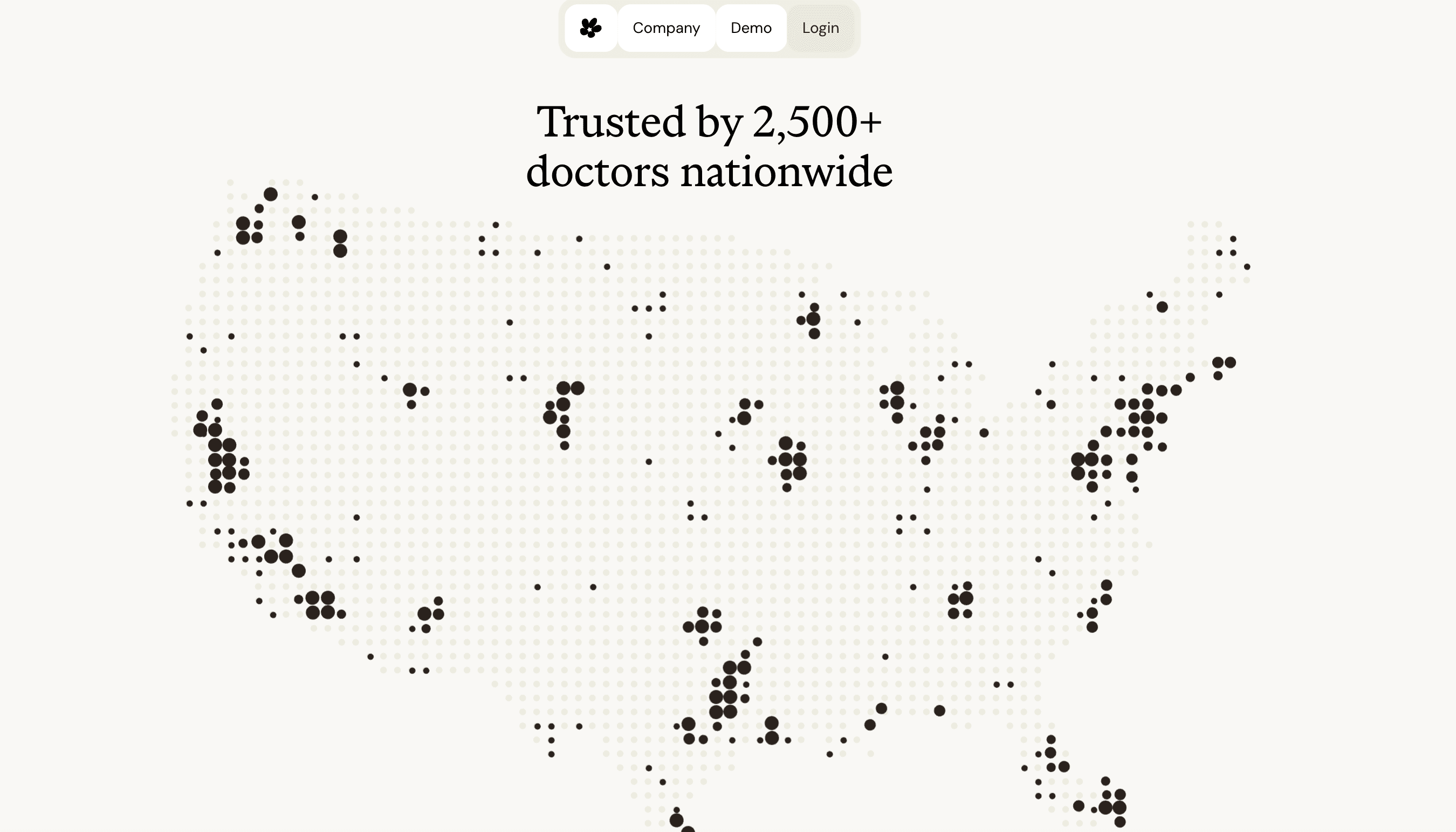
Insurance reconciliation is the largest hidden cost center inside dental overhead, and it's the one Lassie was built to remove. We use AI to retrieve, read, and post EOBs directly into Dentrix, Eaglesoft, or Open Dental, collapsing the back-office labor that quietly consumes a full-time role. Lassie focuses on EOB posting, reconciliation, secondary claims, and patient billing; claim submission stays with your team, and eligibility verification is handled by a separate tool.
The overhead math changes in two places:
- Practices using Lassie see four to seven percent more revenue per month from fewer posting errors and faster payment cycles
- The $100,000 to $200,000 in annual admin OPEX tied to insurance AR moves from a payroll line to a software line
That's a category recategorized, not a tool added.
Final Thoughts on Running a Profitable Dental Practice
Overhead management is less about cutting costs and more about knowing which costs actually produce value. The practices pulling 35 to 40 percent net income aren't working harder, they're watching tighter categories and automating the reconciliation work that used to burn a full-time role. Measure your payroll and supply percentages this quarter, compare them to the benchmarks, and close the gap on whichever category drifted furthest from normal.
Run the diagnosis in order. Pull your overhead percentage first; if it sits above 68 percent, break it into the four categories from earlier in this post and find the one that drifted past its band. Staff above 28 percent points to scheduling or role design, supplies above 15 percent points to off-contract ordering, and a net collection rate under 96 percent points to claims leaking through denials and posting errors.
Then pick one fix and measure it. Most owners get the fastest return by automating insurance payment posting and EOB reconciliation, since that is the largest manual time sink in the back office. Track hours returned and net collection rate over the next 60 days, confirm the category moved, then repeat the same loop on the next worst number. Tighter categories, one at a time, are what separate a 60 percent overhead practice from a 68 percent one. If you want to see how automated EOB posting moves those numbers in your own practice, book a demo.
FAQ
What's the difference between dental practice management software and a billing agency?
Software automates the work itself using AI and code, while billing agencies use humans who perform tasks using software as a tool. Most "tech-powered" billing companies still rely on staff to manually post payments, chase claims, and match deposits; the software just gives them a dashboard. True practice management software removes the labor entirely.
Can I cut overhead without replacing staff?
Yes. Most overhead reduction comes from reassigning staff hours, not terminating positions. When you automate insurance posting or appointment reminders, front-desk staff shift to higher-value work like treatment coordination or patient retention calls. The payroll line stays flat, but production per labor hour climbs.
How do I know if my overhead percentage is too high?
Total overhead above 68 percent signals a leak worth diagnosing this quarter. Healthy practices hold 58 to 65 percent of gross collections in expenses, with staff at 25 to 28 percent, supplies under 15 percent, and occupancy at 5 to 7 percent. If any single category drifts above its band, start there.
What should I automate first to see immediate ROI in my practice?
Automate the task bleeding the most manual hours today. For most practices, that's insurance payment posting and EOB reconciliation, which consumes 80 to 100 hours monthly at a typical office. Appointment reminders and eligibility verification follow closely. Measure hours returned in 60 days, then move to the next bottleneck.
Dentrix vs Open Dental for automation?
All three major systems (Dentrix, Eaglesoft, and Open Dental) support modern automation when paired with the right software layer. The PMS itself matters less than whether the tools you add can write directly into it without manual exports or uploads. Look for integrations that post payments, file claims, and match deposits without staff touching the keyboard.