Dental Fee Schedules Explained: Why Your Practice Is Probably Getting Underpaid (June 2026)
Learn why dental practices get underpaid on fee schedules. UCR, PPO, Premier, and Medicaid rates explained with verification tips. June 2026 guide.
Max Shore - July 6, 2026

Everyone assumes insurance pays what the contract says, posts the EOB, and moves on. Then an audit reveals the practice has been accepting allowables 8% below the contracted Delta Dental fee schedule for the past 18 months, turning $90,000 in collectible revenue into permanent write-offs because no one questioned the adjustment code.
Dental fee schedules are supposed to protect your reimbursement, whether you participate in a PPO network, a Premier tier, or a government program. But outdated schedules in your practice management system, missing crosschecks between EOB and contract, and automatic acceptance of downcodes mean the safety net has holes.
TLDR:
- A dental fee schedule is a list of amounts an insurer reimburses for each procedure code, not what you bill.
- PPO contracted rates run 30-40% below UCR, per Delta Dental, while Delta Premier pays less than billed but more than PPO.
- Up to 60% of denied claims are never resubmitted, and 18-22% of A/R issues stem from EOB posting errors.
- You can find fee schedules through payer portals, Wasserman NDAS, FAIR Health, or state Medicaid PDFs.
- Lassie halts EOB posting when the paid allowable doesn't match your contracted fee schedule.
What Is a Dental Fee Schedule and Why Does It Matter
A dental fee schedule is the predetermined list of dollar amounts an insurance payer agrees to reimburse for each CDT procedure code. Every cleaning, crown, extraction, and exam has a corresponding number attached, and that number governs your actual collections, regardless of what your office charges.
Three figures come into play for any procedure:
- Your office fee (what you bill)
- The allowable fee (what the contract pays)
- Negotiated rates you agreed to when joining a network, often 30 to 40 percent below UCR.
When the allowable falls below your office fee, the gap becomes a contractual write-off. When multiplied across thousands of claims each year, fee schedules become the biggest lever on practice profitability.
The Different Types of Dental Fee Schedules
Five categories cover almost every fee schedule a practice will encounter, and each reimburses under a different logic.
UCR (Usual, Customary, and Reasonable)
The payer's calculation of average fees in a geographic area, based on zip code percentile data. UCR sets the ceiling for out-of-network reimbursement on indemnity plans.
PPO contracted fee schedules
Negotiated rates you agreed to when joining a network, often 30 to 50 percent below UCR.
Premier or secondary network schedules
A middle tier (Delta Dental Premier is the classic example), paying more than PPO but below UCR.
Medicaid and government schedules
State-set rates, typically the lowest of any category.
Practice fee schedules
Your own office fees are billed before any contractual adjustment.
How UCR Fee Schedules Actually Work (And Why They're So Confusing)
UCR stands for usual, customary, and reasonable, but the name hides how the number gets calculated. Payers pull claims data from a geographic area (usually by zip code) and set the allowable at a chosen percentile of provider charges.
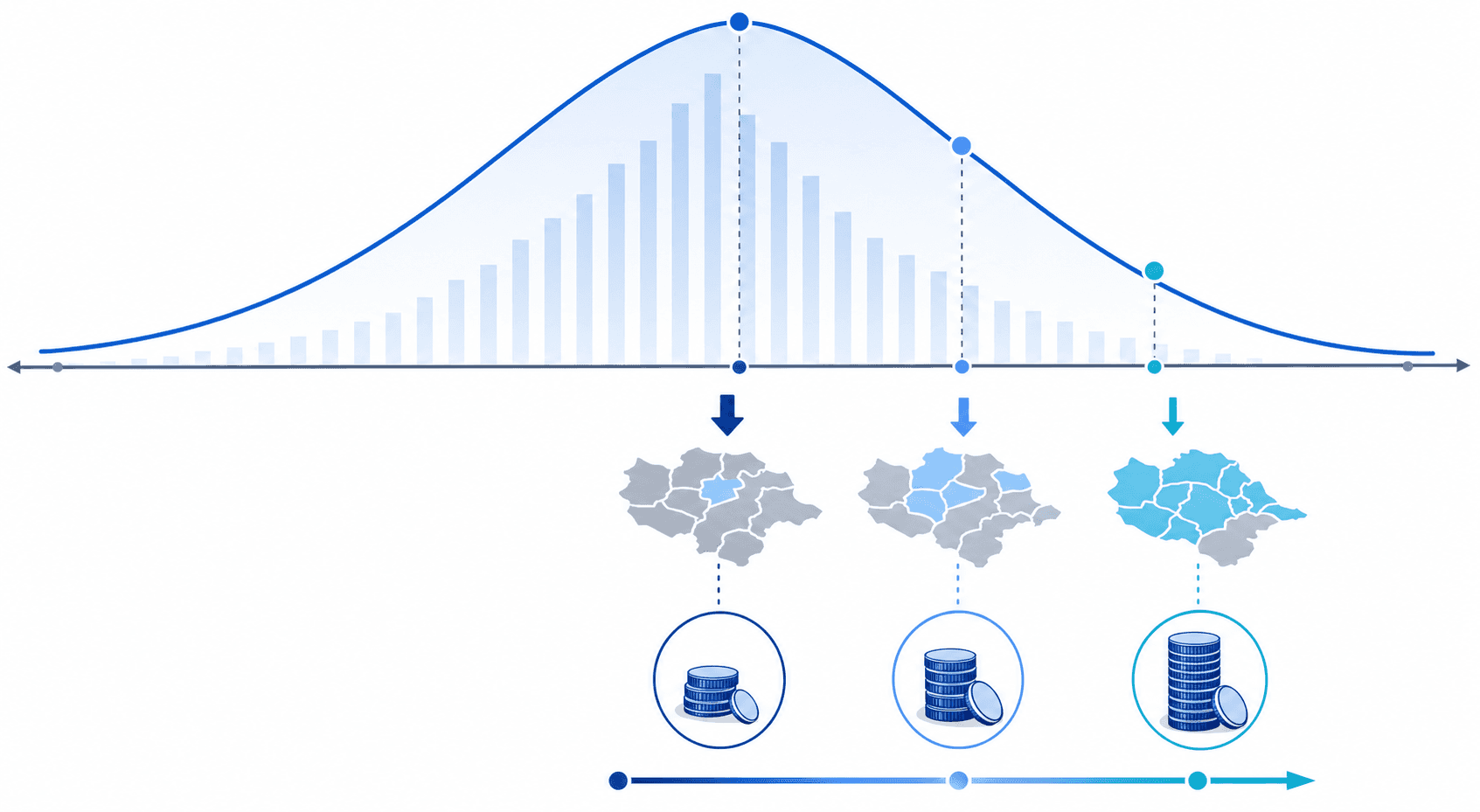
An 80th percentile payer covers up to what 80% of area dentists charge or less. Pick the 90th and the ceiling rises. Drop to the 50th and reimbursement collapses.
Three layers create the opacity:
- The percentile chosen is rarely disclosed on EOBs
- The underlying database (FAIR Health, Wasserman, Ingenix, or proprietary payer data) varies by carrier
- Geographic boundaries can stretch across zip codes with very different cost structures
Two practices in the same county can see different UCR allowables for D2740 with no clear explanation.
Delta Dental PPO vs Premier Fee Schedules Explained
Delta Dental runs two main provider networks, and the gap between them shapes both practice collections and patient cost-sharing.
Delta Dental PPO is the deeper-discount network. PPO contracted fees average around 30 percent below what a dentist would typically charge, with providers accepting those reduced fees as payment in full, per Delta Dental of Illinois.
Delta Dental Premier sits above PPO but below billed charges. Premier dentists also accept the allowable as payment in full, but the shallower discount means higher reimbursement per code.
| Network | Reimbursement vs office fee | Patient out-of-pocket |
| Delta PPO | ~30% below | Lowest |
| Delta Premier | Modest discount | Mid |
| Out of network | Billed amount | Highest |
Medicaid Dental Fee Schedules by State
Medicaid reimbursement varies dramatically by state, and almost everywhere it pays less than commercial insurance. Across most states, Medicaid rates land below 50% of what dentists charge and below 60% of private insurance reimbursement, according to Becker's Dental.
A few practical notes for practices with Medicaid volume:
- Each state Medicaid agency publishes its own fee schedule, typically as a downloadable PDF on the state health department or HHS site
- Managed Medicaid plans (DentaQuest, MCNA, Skygen) often pay differently than fee-for-service Medicaid
- Pediatric codes generally reimburse closer to commercial rates than adult codes
Check the schedule before treatment planning to avoid a write-off surprise.
How to Find Fee Schedules by Zip Code
Finding actual numbers for your zip code takes more legwork than it should. Four sources cover most of what you need:
- Wasserman NDAS reports: Paid fee surveys broken down by zip code and percentile, the go-to source for benchmarking office fees against local UCR data.
- FAIR Health Consumer: A free lookup tool at fairhealthconsumer.org returning estimated costs by procedure and zip code, pulled from one of the largest claims databases in the country.
- Payer provider portals: Delta Dental, Cigna, Aetna, and MetLife publish your contracted schedule in their provider portals once you are credentialed. Premier and PPO sit in separate tabs.
- State Medicaid sites: Search for "[state] Medicaid dental fee schedule PDF" to find current rates.
Why Most Practices Are Getting Underpaid on Insurance Claims
Underpayment rarely shows up as an obvious denial. It hides inside paid claims that look fine on the surface, and most practices never catch the leak. Regular comparison of insurance payments with contracted PPO fee schedules is one of the most effective methods for detection.
Five patterns account for the bulk of the loss:
- Outdated fee schedules are loaded into Dentrix, Eaglesoft, or Open Dental, so the system has no idea what the contract actually pays
- Skipping the cross-check of EOB allowable against the negotiated rate on file
- Treating "PR-45 contractual adjustment" as gospel and writing it off without verification
- Downcoding (D2750 paid as D2740, D4341 paid as D1110) accepted at face value
- No reconciliation between EFT deposit, EOB, and posted payment in the PMS
First-pass denial rates for dental claims range from 15 to 20%, and up to 60% are never resubmitted, per the AHIMA journal.
The Hidden Revenue Drain of Poor EOB Posting and Reconciliation
Even when payments land in the bank, it's in posting that revenue quietly evaporates. According to revenue cycle billing analysis, 18 to 22% of accounts receivable EOB issues trace back to posting itself instead of the original claim.
- Adjustment codes were posted to the wrong bucket, so a write-off that should have been appealed becomes permanent
- EOB allowables entered without comparison against the contracted fee on file
- Bundled procedures are posted as paid in full when the carrier shorted a line item
- EFT batches matched at the deposit total, hiding per-claim shortfalls inside a tidy match
The math checks out at the bottom of the page. The underpayment sits two columns to the left.
How to Verify You're Being Paid Correctly
Run this audit on a recent week of EOBs, and you will find money:
- Pull the contracted fee schedule for each major payer and compare line by line against the paid allowable on five recent EOBs per carrier
- Flag any procedure where the allowable falls below the contracted rate, then group flags by payer to spot systematic shortfalls
- Run a monthly payment variance report in your PMS filtered by carrier, provider, and CDT code, or use Lassie AI to automate EOB posting with built-in fee schedule verification that halts mismatches and routes them for review before anything posts
- Audit contractual adjustment lines for missing modifiers or downcodes that should have been appealed
- Cross-check EFT deposits to posted payments daily so per-claim gaps surface before they age out of the appeal window
How Lassie Catches Underpayments Before They Cost Your Practice Money
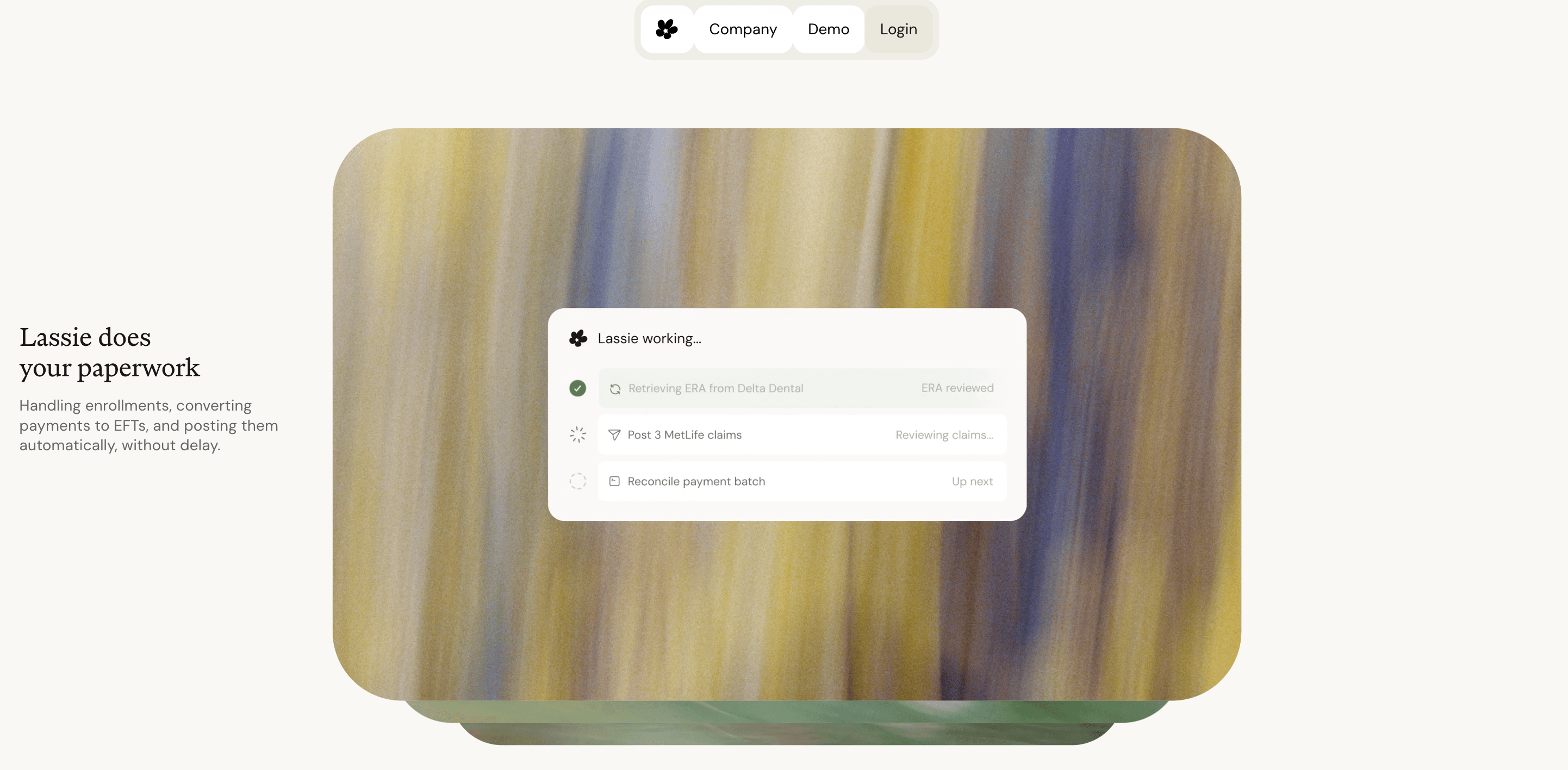
Lassie's AI reads every incoming EOB and checks the paid allowable against the contracted fee schedule loaded for that payer before anything posts. When numbers don't match, the system halts the post and routes it for review instead of writing off the gap. Practices using Lassie see an average of 4-7% more revenue per month after implementation. All patient data processing occurs within a HIPAA-compliant infrastructure, as detailed in our business associate agreement.
A few mechanics worth knowing:
- Posts halt automatically when the actual allowable doesn't match the expected fee schedule in the PMS
- Downgrades the route to an appeals queue instead of posting as accepted adjustments
- Custom rules catch procedure-specific shortfalls like fluoride age limits, bundled codes, and deductible versus write-off splits
- EFT deposits match against EOB and posted payment at the line-item level, not the batch total
Practices spend 80 to 100 hours per month on manual insurance payment reconciliation, based on data from Lassie's founding customer. That time gets replaced by software that catches what tired eyes miss.
Final Thoughts on Dental Fee Schedules and Reimbursement
Fee schedules govern profitability whether you pay attention to them or not. The difference between a practice that collects what it's owed and one that writes off thousands in phantom adjustments comes down to verification at the EOB level. Pick your highest-volume payer, pull the contract, and check five recent claims line by line to see if the allowables match what you agreed to.
Book a demo with Lassie to see how your practice can reclaim those hours.
FAQ
What's the difference between UCR dental fees and PPO fee schedules?
UCR (Usual, Customary, and Reasonable) calculates reimbursement based on a percentile of provider charges in your zip code and applies to out-of-network claims, while PPO fee schedules are pre-negotiated contracts that typically pay 30-50% below UCR in exchange for network participation. PPO contracts lock you into fixed allowances regardless of area charges.
Can I actually verify if Delta Dental is paying me correctly without hiring an auditor?
Yes. Pull your contracted Delta Dental PPO or Premier fee schedule from your provider portal, then compare the allowable amount on five recent EOBs per network against the contracted rate for each CDT code. Flag any procedure where the EOB allowable falls below your contract rate, as those represent underpayments you can appeal.
How do I find the UCR dental fee schedule for my zip code?
Purchase a Wasserman NDAS report for your specific zip code and percentile benchmarking, use the free FAIR Health Consumer lookup tool at fairhealthconsumer.org for estimated costs by procedure and location, or check your contracted fee schedules inside payer provider portals like Delta Dental, Cigna, or MetLife. State Medicaid fee schedules are available as PDFs on your state health department website.
Why do Medicaid dental fee schedules pay so much less than commercial insurance?
Medicaid rates are set by state agencies instead of being negotiated commercially, and across most states, they land below 50% of typical dental fees and below 60% of private insurance reimbursement. Each state publishes its own Medicaid dental fee schedule with rates that vary widely. Pediatric codes generally reimburse at rates closer to commercial rates than adult procedures do.
What happens when the insurance allowable on my EOB doesn't match my contracted fee schedule?
The gap represents either an underpayment you can appeal or a posting error that will silently drain revenue if written off automatically. Pull the contracted rate from your agreement, compare it line by line with the EOB allowable, and flag discrepancies for appeal before the claim ages out of the resubmission window.